 AL NOOR BUILDING - Office No: 506 - Damascus Street - Al Qusais -Al Qusais Ind. Third - Dubai, UAE
 +971 429 49 139
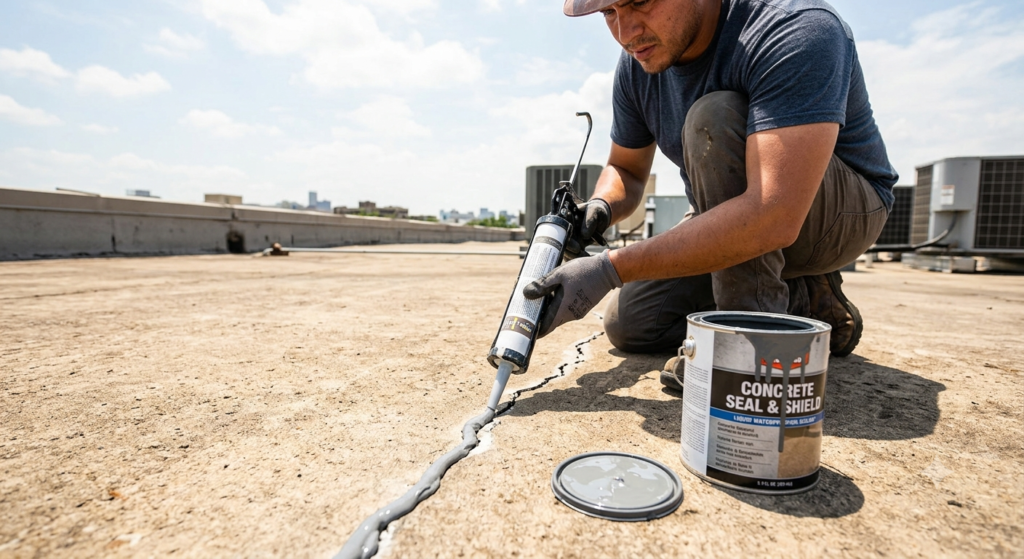
For a long time, heavy rainfall wasn’t the first thing people associated with the UAE. But weather patterns are changing, and recent years have brought intense, sudden downpours to Dubai, Sharjah, and the wider Emirates.
If a recent storm left you scrambling for buckets because of a leaking roof, you aren’t alone. Most buildings in the region were structurally designed to keep extreme heat out, not to handle heavy, pooling water.
When the rain hits hard, hidden vulnerabilities quickly turn into major headaches. Here is a breakdown of exactly why your roof is leaking and the steps you need to take to protect your property.
The Core Culprits Behind UAE Roof Leaks
1. Hairline Cracks in the Concrete (Thermal Expansion)
The UAE climate is a game of extremes. In the summer, roof temperatures can soar above 50°C, causing the concrete structure to expand. At night, it cools down and contracts. This continuous cycling leads to thermal movement, creating hairline cracks over time. When heavy rain finally hits, gravity forces water right into these gaps.
2. Degraded or Outdated Waterproofing
Waterproofing membranes do not last forever, especially under intense UV radiation. The harsh Arabian sun bakes the protective coatings on flat roofs, causing them to become brittle, blister, or crack. If your building’s waterproofing system hasn’t been inspected or recoated in the last few years, it is highly likely to fail when substantial rain pours down.
3. Blocked or Insufficient Drainage Systems
Because heavy rain is historically infrequent, many flat roofs feature standard drainage pipes that simply get overwhelmed by sudden cloudbursts. Worse yet, dust, sand, and wind-blown debris accumulate in these drains during the dry months. When it rains, this buildup creates a dam. Water pools on the flat surface, rises above the waterproofing boundary, and finds its way into the ceilings below.
4. Poorly Sealed AC Ducts and Parapet Walls
Roofs in the UAE are busy places, typically housing massive air conditioning units, ductwork, and satellite dishes. The joints where these installations pierce the roof structure, or where the flat roof meets the vertical parapet wall, are notorious weak spots. If the flashing or sealant around these areas has degraded, water will easily seep through.
How to Handle and Prevent Leaks
If you want to stay dry during the next downpour, a proactive approach is much cheaper than fixing ruined drywall and water-damaged furniture.
1.Clear the drains immediately:Immediate Action.
Safely access the roof and clear out any sand, leaves, or debris blocking the rain outlets. Getting the pooled water off the roof is the quickest way to minimize ongoing damage.
2.Locate the entry point:Investigation.
Trace the leak. Remember, water travels. Where it drips from your ceiling might not be exactly where it is entering from the outside. Look for damaged seals around AC units or obvious cracks on the roof surface directly above the drip zone.
3.Apply a professional waterproofing system:Remediation.
Once the area is completely dry, repair the structural cracks using specialized polyurea or polyurethane injections. Follow this up with a high-quality, UV-resistant liquid waterproofing membrane across the surface.
4.Schedule annual pre-winter maintenance:Prevention.
Don’t wait for the storm clouds to gather. Set up a routine check every October or November to inspect the roof coatings, clean the drainage pipes, and reseal all joints before the winter rain season begins.
A Quick Tip on Timing: Never attempt to apply coatings or sealants while the roof is still damp. Trapping moisture beneath a fresh layer of waterproofing will cause the material to bubble and fail within months. Let the concrete dry completely first.