Author name: muidcontracting.com

Uncategorized

The Cost of Compromise:Poor Material and Workmanship in Waterproofing

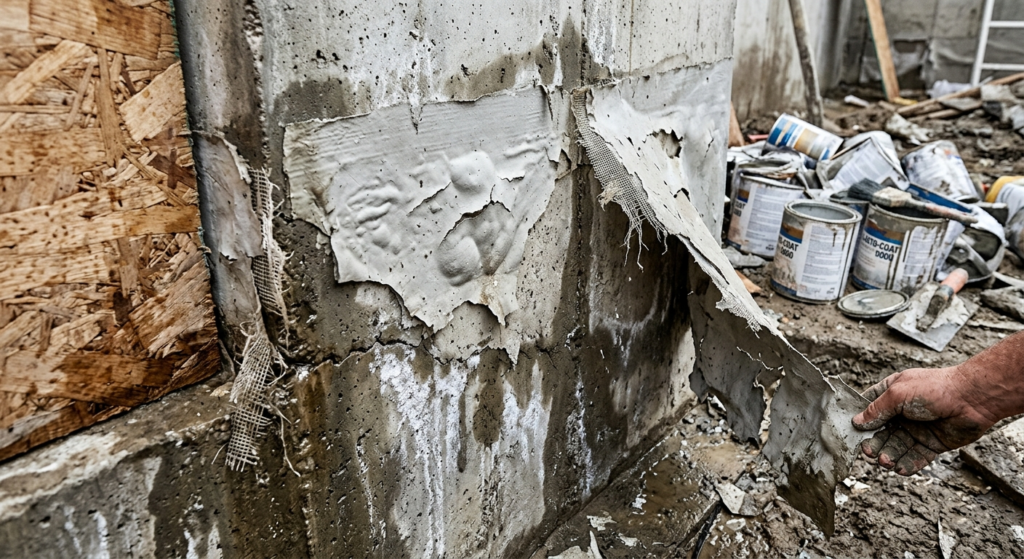
Waterproofing is often described as the invisible shield of a structure. While it typically accounts for less than3% of a building’s total construction cost, its failure is responsible for over 80% of all building defectcomplaints and subsequent litigation. When water manages to breach a building envelope, the consequencesare progressive, destructive, and financially devastating.Waterproofing failures almost universally stem from two core deficiencies: substandard material selectionand poor workmanship. This technical brief analyzes how these two factors interact to undermine structuralintegrity, erode property value, and create severe health liabilities for occupants. Building Sciences & Construction Quality Report 1 Engineering Rule of Thumb: Liquid-applied membranes must never be purchased based on price perbucket. They must be selected strictly on solid content volume, crack-bridging capability, and third-partyperformance certifications (such as ASTM or British Standards). Workmanship Error Technical Consequence Prevention Protocol Neglected SurfacePreparation Membranes applied over dust, oil,moisture, or honeycombed concrete fail toform a mechanical bond, leading toimmediate delamination and blistering. Substrates must be clean, dry,sound, and mechanicallyabraded or primed prior toinstallation. Incorrect Wet FilmThickness (WFT) Applying liquid membranes too thin resultsin pinholes and insufficient tensilestrength. Applying too thick causes mud-cracking during curing. Mandatory use of notched milgauges during application toensure precise compliancewith technical datasheets. Improper Lap Joint Detailing Sheet membranes (like torch-on bitumenor PVC) fail at the seams if overlaps areinsufficient or inadequately bonded/welded. Maintain a minimum 75mm to100mm overlap, verified viaphysical seam-testing probes. Omission of Fillets / Cants Applying membranes directly into a sharp90-degree internal corner causes stressconcentrations, leading to tearing. Install a 50mm x 50mm mortarfillet (chamfer) at all wall-to-floor junctions beforewaterproofing. Building Sciences & Construction Quality Report 2 cracking the surrounding concrete from within. This structural spalling drastically compromises the load-bearing safety of slabs, beams, and columns. Toxic Mold Growth & Indoor Air Quality (IAQ) DegradationPersistent moisture behind drywall, under flooring, or within ceiling cavities creates an ideal breeding groundfor toxic molds like Stachybotrys chartarum. Spores released into the indoor HVAC stream cause severerespiratory issues, asthma flare-ups, and chronic allergic reactions among inhabitants.Catastrophic Financial LiabilityRemediating a failed waterproofing system retroactively is vastly more expensive than doing it right duringinitial construction. It involves breaking up finished tiles, excavating retaining walls, demolishing architecturalfinishes, reapplying membranes, and rebuilding the space—frequently costing 5 to 10 times the originalwaterproofing budget, alongside loss of use or tenant displacement penalties. Conclusion: Prioritizing Quality AssuranceWaterproofing is not a place to seek budget optimizations. Protecting a structure from fluid ingressrequires an uncompromising commitment to premium, certified materials and certified, highly-skilledlabor. Ensure that comprehensive surface preparation is enforced, mandatory flood testing (minimum24 to 48 hours) is conducted on all wet areas, and detailed quality checklists are executed at everystage of the build.Investing in quality materials and skilled craftsmanship is the only dependable method to safeguardyour asset, protect structural integrity, and ensure long-term peace of mind.
Uncategorized

The Hidden Threat: How a Poor Plumbing Drainage System Can Ruin Your Home

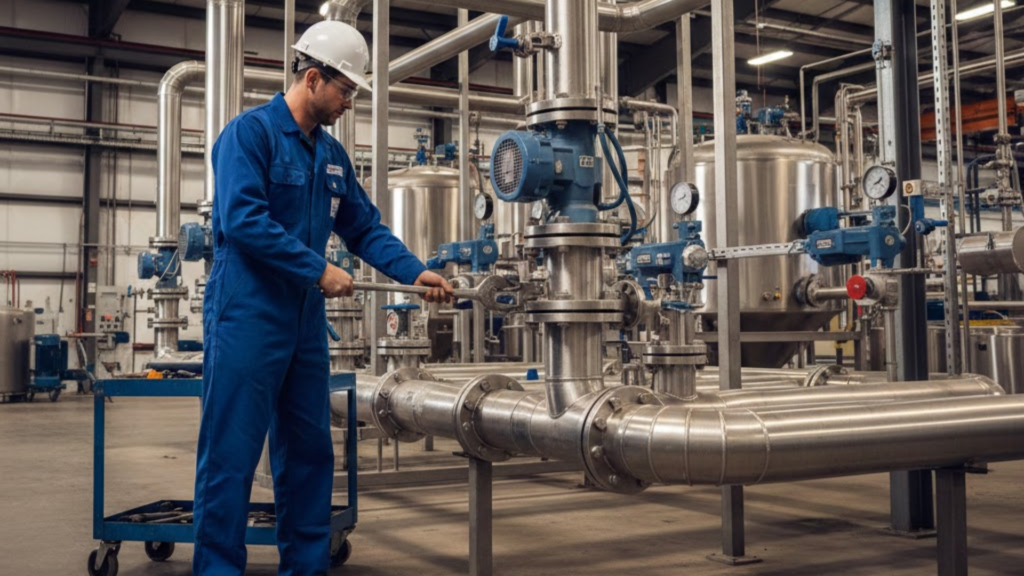
Out of sight, out of mind. That is how most people treat their plumbing. As long as the water disappears down the sink or shower drain, we assume everything is working perfectly. But beneath your floors and behind your walls, a poorly designed or badly maintained drainage system could be brewing a major disaster. A failing drainage system doesn’t just cause the occasional annoying clog—it can actively threaten your property’s structure, your wallet, and your family’s health. Here is a look at what causes poor drainage, the warning signs you shouldn’t ignore, and the true cost of letting it go unchecked. The Warning Signs of a Failing Drainage System A drainage system rarely fails overnight. It usually sends out several clear warning signals. Recognizing them early can save you thousands in major repairs. What Causes Poor Plumbing Drainage? Poor drainage usually boils down to three main culprits: bad installation design, age, or improper usage. Debris accumulation inside a standard P-trap. Source: Elmer’s Home Services 1. Incorrect Pipe Slope (Pitch) Drainage systems rely entirely on gravity to move waste. If a pipe is too flat, water and solid waste will pool, leading to immediate clogs. Surprisingly, if a pipe is sloped too steeply, the water will rush ahead too fast, leaving the solid waste sitting behind in the pipe to dry up and block the line. The industry standard is typically a 1/4-inch drop per foot for standard lateral lines. 2. Improper Venting Every drainage system needs a breathing mechanism. Plumbing vents extend up through your roof to let air into the system. Without this airflow, rushing water creates a vacuum—much like putting your finger over the top of a straw. This vacuum slows down the drainage and can suck the water right out of your P-traps, letting sewer gases flood your living space. 3. Sludge and Material Buildup Over time, pouring cooking grease, fats, and oils down the kitchen sink creates a sticky lining inside your pipes. Hair, soap scum, and flushable wipes (which are never actually flushable) catch on this sticky residue, narrowing the pipe’s internal diameter until the flow stops completely. The True Cost of Neglect Ignoring a poor drainage system is a gamble you will eventually lose. The consequences go far beyond a messy bathroom floor: Structural Damage: Persistent leaks or backups from drainage lines can warp wooden framing, rot subfloors, and erode the soil underneath your concrete slab foundation, leading to incredibly expensive structural cracks. Health Risks: Stagnant water and sewer backups introduce harmful bacteria, pathogens, and black mold growth into your home environment. Mold can trigger respiratory issues and allergies within just 24 to 48 hours of water exposure. How to Protect Your Home If you suspect your home has poor drainage, don’t rely purely on chemical drain cleaners. These harsh chemicals generate heat that can warp PVC pipes or corrode older cast-iron lines, creating even bigger leaks. Instead, opt for preventative care. Use mesh drain strainers to catch hair and food particles, never pour grease down the sink, and have a licensed plumber perform a camera inspection if you notice systemic slow drains. Taking care of your drainage system now ensures your home stays safe, dry, and healthy for years to come.

Uncategorized

Cracks in the Shield: Why WaterproofingFails in the UAE’s Harsh Climate

In the United Arab Emirates, the architectural landscape is a marvel of modernengineering, boasting soaring skyscrapers, luxurious coastal developments, andexpansive urban hubs. However, beneath the polished glass and concrete lies asilent, structural battle. While the UAE is renowned for its arid climate,waterproofing failure remains one of the most prevalent and costly challenges in theregion’s construction sector.When water penetrates a building’s envelope in this region, it doesn’t just cause aesthetic ruin—ittriggers rapid structural decay due to high ambient salinity and extreme thermal dynamics.Understanding why these systems fail is vital for developers, facility managers, and contractorslooking to protect their assets from costly remediation. PRIMARY FAILURE VECTOR: THERMAL STRESSUsing cheap, low-elasticity bitumen membranes on expansive roof decks without factoring in thermalmovement. The system shears at the joints and structural expansion gaps.Solution: High-elongation Polyurethane or Polyurea liquid membranes. 1 PRIMARY FAILURE VECTOR: POOR MOISTURE TESTINGRushing the waterproofing application during fast-track project timelines without verifying theconcrete substrate’s moisture vapor emission rate (MVER).Solution: Mandatory relative humidity probe testing and moisture barriers. 2 The Path Forward: Prevention Over RemediationRemedial waterproofing in an operational building in downtown Dubai or Sharjah can cost up tofive to ten times the original installation price, involving extensive excavation, businessdisruption, and structural repairs. To mitigate these failures, the UAE construction market is steadily shifting toward high-performance, weather-resilient technologies such as cold liquid-applied polyurethanes, crystalline waterproofing admixtures that self-heal concrete cracks, and robust quality controlprotocols during the application phase. In an environment as unforgiving as the Gulf, meticulousapplication and uncompromising material selection are the only true shields against waterdamage.

Uncategorized

Caught in the Downpour: Why Your UAE Roof is Leaking (And How to Fix It)

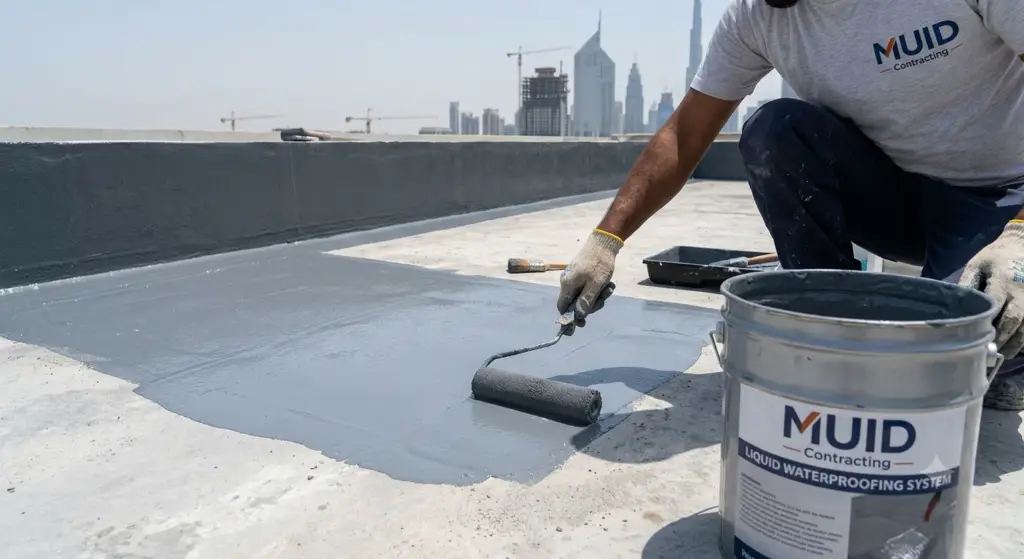
For a long time, heavy rainfall wasn’t the first thing people associated with the UAE. But weather patterns are changing, and recent years have brought intense, sudden downpours to Dubai, Sharjah, and the wider Emirates. If a recent storm left you scrambling for buckets because of a leaking roof, you aren’t alone. Most buildings in the region were structurally designed to keep extreme heat out, not to handle heavy, pooling water. When the rain hits hard, hidden vulnerabilities quickly turn into major headaches. Here is a breakdown of exactly why your roof is leaking and the steps you need to take to protect your property. The Core Culprits Behind UAE Roof Leaks 1. Hairline Cracks in the Concrete (Thermal Expansion) The UAE climate is a game of extremes. In the summer, roof temperatures can soar above 50°C, causing the concrete structure to expand. At night, it cools down and contracts. This continuous cycling leads to thermal movement, creating hairline cracks over time. When heavy rain finally hits, gravity forces water right into these gaps. 2. Degraded or Outdated Waterproofing Waterproofing membranes do not last forever, especially under intense UV radiation. The harsh Arabian sun bakes the protective coatings on flat roofs, causing them to become brittle, blister, or crack. If your building’s waterproofing system hasn’t been inspected or recoated in the last few years, it is highly likely to fail when substantial rain pours down. 3. Blocked or Insufficient Drainage Systems Because heavy rain is historically infrequent, many flat roofs feature standard drainage pipes that simply get overwhelmed by sudden cloudbursts. Worse yet, dust, sand, and wind-blown debris accumulate in these drains during the dry months. When it rains, this buildup creates a dam. Water pools on the flat surface, rises above the waterproofing boundary, and finds its way into the ceilings below. 4. Poorly Sealed AC Ducts and Parapet Walls Roofs in the UAE are busy places, typically housing massive air conditioning units, ductwork, and satellite dishes. The joints where these installations pierce the roof structure, or where the flat roof meets the vertical parapet wall, are notorious weak spots. If the flashing or sealant around these areas has degraded, water will easily seep through. How to Handle and Prevent Leaks If you want to stay dry during the next downpour, a proactive approach is much cheaper than fixing ruined drywall and water-damaged furniture. 1.Clear the drains immediately:Immediate Action. Safely access the roof and clear out any sand, leaves, or debris blocking the rain outlets. Getting the pooled water off the roof is the quickest way to minimize ongoing damage. 2.Locate the entry point:Investigation. Trace the leak. Remember, water travels. Where it drips from your ceiling might not be exactly where it is entering from the outside. Look for damaged seals around AC units or obvious cracks on the roof surface directly above the drip zone. 3.Apply a professional waterproofing system:Remediation. Once the area is completely dry, repair the structural cracks using specialized polyurea or polyurethane injections. Follow this up with a high-quality, UV-resistant liquid waterproofing membrane across the surface. 4.Schedule annual pre-winter maintenance:Prevention. Don’t wait for the storm clouds to gather. Set up a routine check every October or November to inspect the roof coatings, clean the drainage pipes, and reseal all joints before the winter rain season begins. A Quick Tip on Timing: Never attempt to apply coatings or sealants while the roof is still damp. Trapping moisture beneath a fresh layer of waterproofing will cause the material to bubble and fail within months. Let the concrete dry completely first.

Scroll to Top