 AL NOOR BUILDING - Office No: 506 - Damascus Street - Al Qusais -Al Qusais Ind. Third - Dubai, UAE
 +971 429 49 139
The Cost of Compromise:Poor Material and Workmanship in Waterproofing
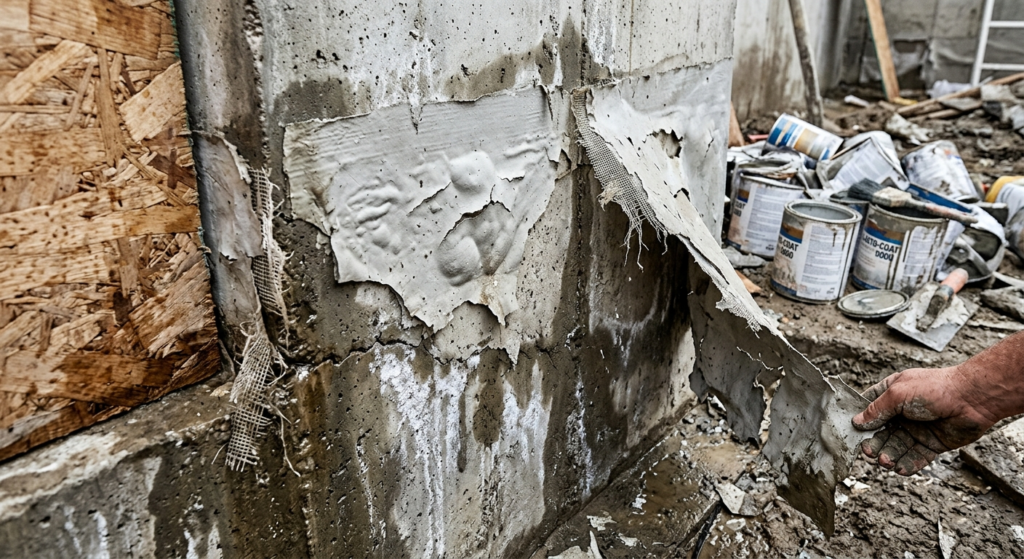
Waterproofing is often described as the invisible shield of a structure. While it typically accounts for less than3% of a building’s total construction cost, its failure is responsible for over 80% of all building defectcomplaints and subsequent litigation. When water manages to breach a building envelope, the consequencesare progressive, destructive, and financially devastating.Waterproofing failures almost universally stem from two core deficiencies: substandard material selectionand poor workmanship. This technical brief analyzes how these two factors interact to undermine structuralintegrity, erode property value, and create severe health liabilities for occupants. Building Sciences & Construction Quality Report 1 Engineering Rule of Thumb: Liquid-applied membranes must never be purchased based on price perbucket. They must be selected strictly on solid content volume, crack-bridging capability, and third-partyperformance certifications (such as ASTM or British Standards). Workmanship Error Technical Consequence Prevention Protocol Neglected SurfacePreparation Membranes applied over dust, oil,moisture, or honeycombed concrete fail toform a mechanical bond, leading toimmediate delamination and blistering. Substrates must be clean, dry,sound, and mechanicallyabraded or primed prior toinstallation. Incorrect Wet FilmThickness (WFT) Applying liquid membranes too thin resultsin pinholes and insufficient tensilestrength. Applying too thick causes mud-cracking during curing. Mandatory use of notched milgauges during application toensure precise compliancewith technical datasheets. Improper Lap Joint Detailing Sheet membranes (like torch-on bitumenor PVC) fail at the seams if overlaps areinsufficient or inadequately bonded/welded. Maintain a minimum 75mm to100mm overlap, verified viaphysical seam-testing probes. Omission of Fillets / Cants Applying membranes directly into a sharp90-degree internal corner causes stressconcentrations, leading to tearing. Install a 50mm x 50mm mortarfillet (chamfer) at all wall-to-floor junctions beforewaterproofing. Building Sciences & Construction Quality Report 2 cracking the surrounding concrete from within. This structural spalling drastically compromises the load-bearing safety of slabs, beams, and columns. Toxic Mold Growth & Indoor Air Quality (IAQ) DegradationPersistent moisture behind drywall, under flooring, or within ceiling cavities creates an ideal breeding groundfor toxic molds like Stachybotrys chartarum. Spores released into the indoor HVAC stream cause severerespiratory issues, asthma flare-ups, and chronic allergic reactions among inhabitants.Catastrophic Financial LiabilityRemediating a failed waterproofing system retroactively is vastly more expensive than doing it right duringinitial construction. It involves breaking up finished tiles, excavating retaining walls, demolishing architecturalfinishes, reapplying membranes, and rebuilding the space—frequently costing 5 to 10 times the originalwaterproofing budget, alongside loss of use or tenant displacement penalties. Conclusion: Prioritizing Quality AssuranceWaterproofing is not a place to seek budget optimizations. Protecting a structure from fluid ingressrequires an uncompromising commitment to premium, certified materials and certified, highly-skilledlabor. Ensure that comprehensive surface preparation is enforced, mandatory flood testing (minimum24 to 48 hours) is conducted on all wet areas, and detailed quality checklists are executed at everystage of the build.Investing in quality materials and skilled craftsmanship is the only dependable method to safeguardyour asset, protect structural integrity, and ensure long-term peace of mind.